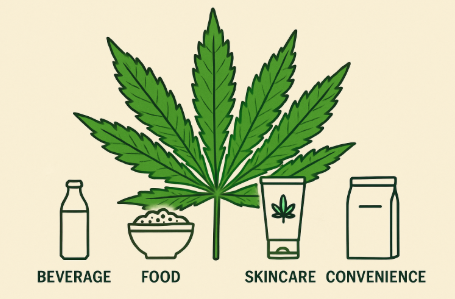
Table of Contents
- Introduction
- Rise of Hemp-Derived THC Beverages
- Growth in Hemp-Based Foods
- Increasing Demand for CBD Products
- Regulatory Changes Impacting the Market
- Consumer Shift Towards Convenience
- Emergence of Hemp in Personal Care
- Future Outlook
Introduction
The hemp industry is dramatically evolving as consumers seek innovative, health-conscious, and convenient alternatives to traditional products. Changing attitudes toward hemp, new regulatory guidelines, and creative product innovations are fueling unprecedented market growth—and forcing industry stakeholders to adapt to shifting expectations quickly. Forward-thinking brands are tapping into everything from functional foods to wellness-focused beverages, making this one of the most closely watched spaces in the health and lifestyle sector. For those intrigued by the growing fusion of cannabis and mixology, Florida stands at the forefront of innovation with its expanding scene of thc infused spirits Florida. The state has become a dynamic hub for creative experimentation, offering exciting opportunities for adventurous consumers and forward-thinking entrepreneurs. This emerging market blends craft cocktail artistry with the evolving cannabis culture, signaling a bold new chapter in infused beverages.
With large companies entering the market and consumers driving demand for more transparent, plant-based, and accessible products, the hemp landscape is becoming significantly more dynamic. Understanding these shifting consumer preferences is key to thriving in an industry expected to surge in value over the coming decade. This article explores the pivotal trends transforming the market and the regulatory and societal shifts impacting consumers and businesses.
Rise of Hemp-Derived THC Beverages
Hemp-derived THC beverages are taking the U.S. by storm, presenting a legal, discreet, and appealing option for consumers looking to blend social relaxation with cannabis consumption. Established alcohol brands are increasingly partnering with new cannabis beverage manufacturers to secure their positions in this rapidly growing market. Notably, brands such as Cann and Wynk have already formed alliances with traditional alcohol distributors, providing them with expanded shelf space in retail settings. Industry analysts anticipate the U.S. hemp beverage market to exceed $1 billion in sales by 2025, with projections to reach $4 billion or more by 2028.
Growth in Hemp-Based Foods
An increasing focus on wellness and plant-forward nutrition is propelling the growth of hemp-based foods. These products appeal to health-conscious shoppers thanks to properties like being naturally gluten-free and lactose-free—qualities especially beneficial for those with celiac disease or lactose intolerance. Hemp-based foods are also packed with essential nutrients, including magnesium, vitamin E, and iron, positioning them as a strategic choice for individuals managing chronic conditions such as insulin resistance and joint pain. The rise in popularity of these foods is influencing major grocery chains to diversify their product lines, highlighting hemp’s mainstream acceptance and growing appeal to broader demographics.
Increasing Demand for CBD Products
CBD has firmly established itself within the holistic and wellness community. The global hemp-derived cannabidiol market is forecasted to reach $46.25 billion by 2034, marking a dramatic surge powered by rising consumer trust and robust scientific research on potential health benefits. From tinctures and capsules to bath bombs and balms, product variety caters to nearly every preference, allowing new adopters and long-time users to explore the wellness landscape. The move towards organic, plant-based, and clean-label ingredients is further fueling CBD’s popularity, especially amid mounting skepticism toward synthetic wellness supplements.
Regulatory Changes Impacting the Market
Legislation is rapidly evolving, often shaping the opportunities and challenges hemp industry participants face. For instance, new laws in states like Virginia are tightening the regulation of intoxicating THC products, particularly variants like Delta-8. Such changes can inadvertently push consumers toward the black market, risking public safety and threatening the viability of small, compliant businesses. Regulatory clarity and consistency remain crucial for brands aiming to maintain compliance while meeting surging consumer expectations.
Consumer Shift Towards Convenience
The modern consumer increasingly values products that fit seamlessly into a hectic schedule, driving growth for pre-rolled joints, vape cartridges, and other ready-to-consume cannabis solutions. The latest data reveals that pre-roll sales jumped by nearly 12% in a year, underscoring a sustained appetite for convenience-based options. This shift also reflects broader trends in fast-moving consumer goods, where grab-and-go functionality is now a decisive purchase factor.
Emergence of Hemp in Personal Care
The wellness movement has paved the way for CBD and hemp-infused personal care innovations, including everything from serums and moisturizers to shampoos and bath salts. Consumers are embracing these products for their reputed anti-inflammatory and antioxidant properties—an appeal that has caught the attention of both niche and mainstream beauty brands. The shift toward natural and plant-powered wellness cosmetics echoes broader trends in skincare and haircare, where transparency, clean formulations, and evidence-backed efficacy are highly prized.
Future Outlook
The future of the hemp market is bright, with continued innovation expected across edibles, beverages, topicals, and more. Companies that prioritize consumer safety, adapt to legal changes, and align products with health and convenience trends are best positioned for lasting growth. As the stigma around hemp continues to evaporate and new research emerges, both consumers and businesses stand to benefit from the hemp market’s transformation into a powerhouse of wellness, culinary, and personal care possibilities.