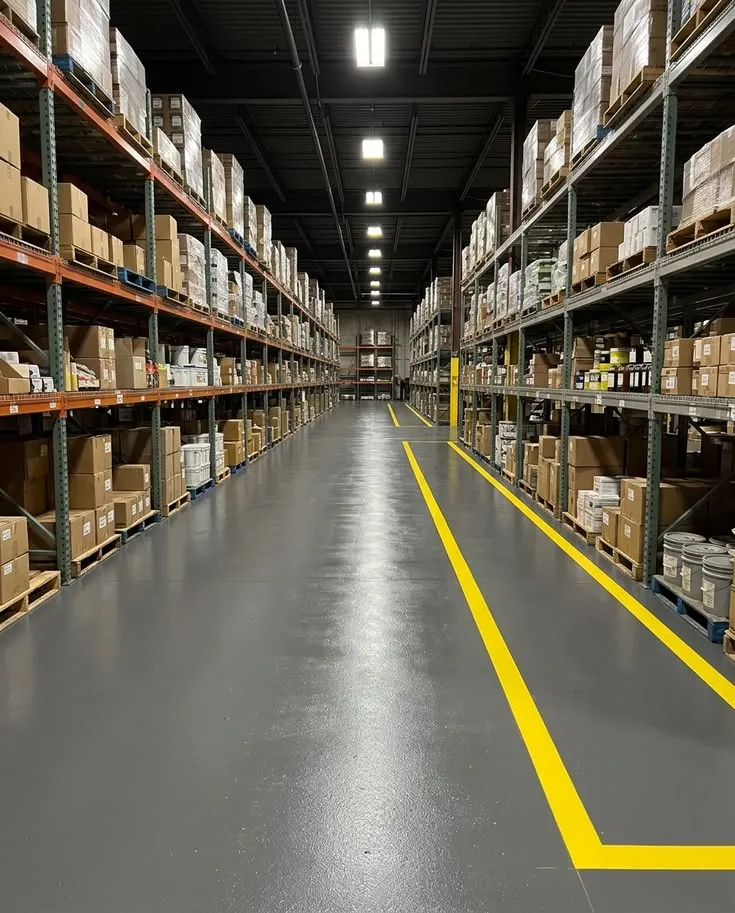
Picking good floors for tough spots takes thought. You really must look at sheer strength, chemical resistance, and basic care needs. Polished concrete is often compared to resin systems to determine long-term performance benefits. Hard surfaces that don’t crack or dust under continuous forklift traffic are necessary in high-traffic areas of the warehouse. The chemical densifiers used to harden concrete form a dense matrix which repels dirt on the surface and allows the concrete to remain structurally sound. Assessment of floor conditions is done early to avoid exorbitant repair costs at installation time.
Surface Preparation Basics Explained
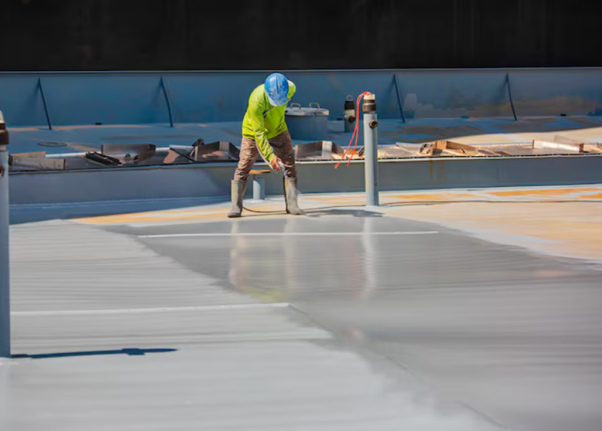
Proper preparation of concrete slabs requires mechanical grinding for the removal of old coatings, dirt and weak surface laitance. To ensure the optimum profile for new chemical coatings to bond effectively to rough surfaces, diamond tooling is used. When NOT cleaned properly, applying industrial epoxy flooring directly over any concrete surface results in early failures, delamination, blistering and peeling. Another option that works on thicker industrial slabs is shot blasting, which produces a deep profile. Moisture testing needs to be done prior to any installation of non-breathable resin layers.
Comparing Daily Maintenance Needs
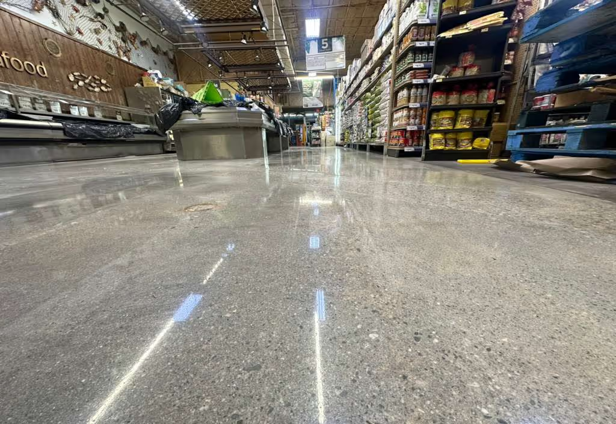
Regular maintenance ensures seamless commercial floors maintain a professional appearance and can be expected to provide a longer lifespan when subjected to heavy use. Polished concrete is burnished to a natural shine, without the use of liquid waxes or harsh chemical cleaning agents. Tiny abrasive grit prevents protective clear coats from being damaged on high-traffic walkways by sweeping the area every day. Neutral pH cleaners are most effective, as an extended duration of strong acid solutions will breakdown concrete matrices over long periods of time. By keeping the outside and entryways free of dirt, it will not be tracked into the finished floor area.
Chemical Resistance Factors Compared
When the installation involves harsh solvents or acids, special chemical protection is required throughout work floors in manufacturing plants. Most industrial epoxy floor coatings offer excellent hydrocarbon resistance, hydraulic fluid and light chemical spill resistance. Over time, liquids can stain the concrete surface deeply when the surface is not protected with resin topcoats. Thermal shock resistance becomes critical in food processing facilities using steam cleaning equipment. Selecting correct resin formulations prevents chemical softening and color degradation.
Durability Under Heavy Loads
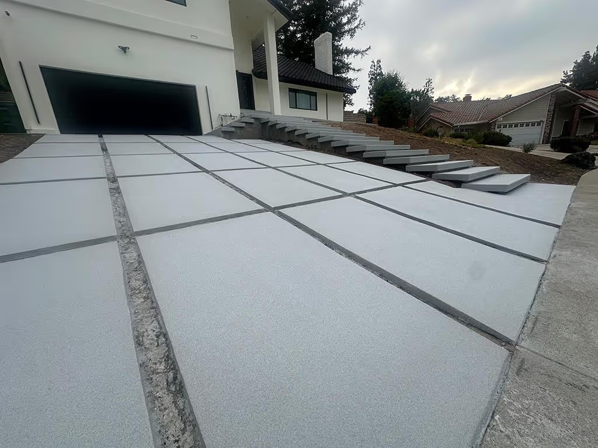
Heavy machinery puts massive compression stress on commercial slab surfaces during daily operations. Hardened polished concrete handles severe weight impact without showing surface indents or permanent tire marks. Resin coatings distribute weight evenly while protecting underlying slabs from severe impact damage and cracking. Joint filler materials protect slab edges from spalling when heavy wheeled traffic crosses expansion cuts continuously. Proper joint maintenance keeps flooring flat and safe for workers.
Light Reflectivity Advantage Benefits
Brighter interiors improve visibility inside large manufacturing facilities while reducing artificial lighting energy demands. Polished concrete reflects ambient light naturally, creating brighter workspaces without adding extra electrical fixtures. High-gloss industrial epoxy flooring achieves similar reflective benefits while offering wide color choices for safety striping. Light reflectivity helps operators spot floor hazards and liquid spills much faster during shifts. Enhanced brightness creates a cleaner atmosphere across large open floor spaces.
Conclusion
Selecting between resin systems and mechanically hardened slabs depends on chemical exposure and daily operational demands. Visiting risecoatings.com provides helpful insights regarding specialized commercial surface treatments and durable coating options. Proper surface prep and regular maintenance ensure long-lasting performance for any industrial facility investment. Hardened finishes reduce long-term repair costs while creating safer conditions for heavy equipment operators. Assessing load requirements helps select the most practical floor coating approach. Reach out to local surface specialists to discuss customized solutions for your next facility project.