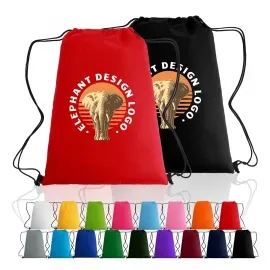
Choosing the right backpack is an important part of preparing for a new school year. Students need a bag that offers enough space for books, stationery, lunch boxes, and electronic devices while remaining comfortable to carry throughout the day. With so many styles, sizes, and materials available, finding the right back to school backpacks requires careful consideration. Parents and students should focus on comfort, durability, functionality, and personal preferences to make a smart purchasing decision.
1. Choose the Right Backpack Size
The ideal backpack should accommodate a student’s daily essentials without becoming unnecessarily heavy or bulky. A bag that is too small may not provide enough storage, while an oversized option can encourage students to carry unnecessary items.
Before purchasing, consider the student’s age, school requirements, and daily schedule. Multiple compartments can help separate textbooks, notebooks, stationery, and personal belongings. Dedicated pockets for water bottles and electronic devices can also improve organization.
When selecting a student backpack, ensure that it fits the student’s body properly and allows easy access to frequently used items.
2. Prioritize Comfort and Ergonomic Design
Comfort is one of the most important factors when shopping for school bags. Students often carry their backpacks between classrooms, during commutes, and while participating in extracurricular activities.
Look for these essential features:
● Padded Shoulder Straps: Help distribute pressure more comfortably across the shoulders.
● Adjustable Straps: Allow the backpack to fit different body sizes.
● Padded Back Panels: Improve comfort during extended periods of use.
● Lightweight Construction: Helps reduce the overall weight students carry.
● Multiple Compartments: Keep school supplies organized and accessible.
Students should also be encouraged to carry only the items they need each day. A properly fitted backpack, combined with sensible packing habits, can make daily school routines more comfortable.
3. Check Material Quality and Durability
A school backpack should withstand everyday use, including frequent opening, carrying, and occasional exposure to light rain. Material quality plays a significant role in determining how long the bag lasts.
Polyester and nylon are popular choices because they are generally lightweight and durable. Reinforced stitching, strong zippers, sturdy handles, and quality strap attachments are additional features worth checking before buying.
Parents should also consider easy-to-clean materials, especially for younger students who may frequently spill food or drinks inside their bags. Choosing a durable design can reduce the need for frequent replacements and provide better long-term value.
4. Balance Style, Functionality, and Budget
While practical features matter, students also want backpacks that reflect their personalities. Colors, patterns, character designs, and minimalist styles offer plenty of options for different preferences.
To make a smart purchase, compare several options based on:
● Price and overall build quality.
● Storage capacity and compartment design.
● Comfort and adjustability.
● Material quality and ease of maintenance.
● Warranty coverage, when available.
Rather than choosing the cheapest option automatically, consider how well the backpack meets the student’s needs and how long it is likely to last. A balanced decision can provide both everyday convenience and better value.
5. Consider Personalized Backpacks and Promotional Products
Backpacks can serve purposes beyond carrying school supplies. Schools, educational institutions, community organizations, and businesses may use customized bags for welcome kits, student events, fundraising activities, and educational campaigns.
In these situations, promotional marketing products can help organizations create practical items that recipients may continue using after an event. Customized backpacks featuring an organization’s logo, colors, or message can also support brand visibility in schools, colleges, and community settings.
When ordering backpacks in bulk, organizations should evaluate material quality, customization options, production timelines, and quantity requirements. Selecting useful, durable products can help ensure that recipients appreciate the items rather than treating them as disposable giveaways.
6. Make the Final Purchase Decision
Before completing a purchase, inspect the backpack carefully and check whether it meets the student’s everyday requirements. If possible, have the student try it on with a few essential school supplies to assess its fit and comfort.
Avoid overloading the bag, and make sure heavier items can be positioned close to the back. Reflective details may also be helpful for students who walk or travel to school in low-light conditions.
Conclusion
Finding the perfect backpack involves more than choosing an attractive design. The best back to school backpacks combine comfort, appropriate storage, durable materials, and practical features that support students throughout the school year. Similarly, promotional marketing products such as customized backpacks can offer practical value for schools, businesses, and organizations looking to create useful branded items.
For organizations looking to source customized bags for educational programs or promotional campaigns, Brava Marketing offers a relevant resource to explore. They can help businesses and organizations consider promotional product options that align with their branding goals and intended audiences. Whether preparing for a new school year or planning a branded giveaway, thoughtful product selection can make backpacks a useful and lasting choice.