
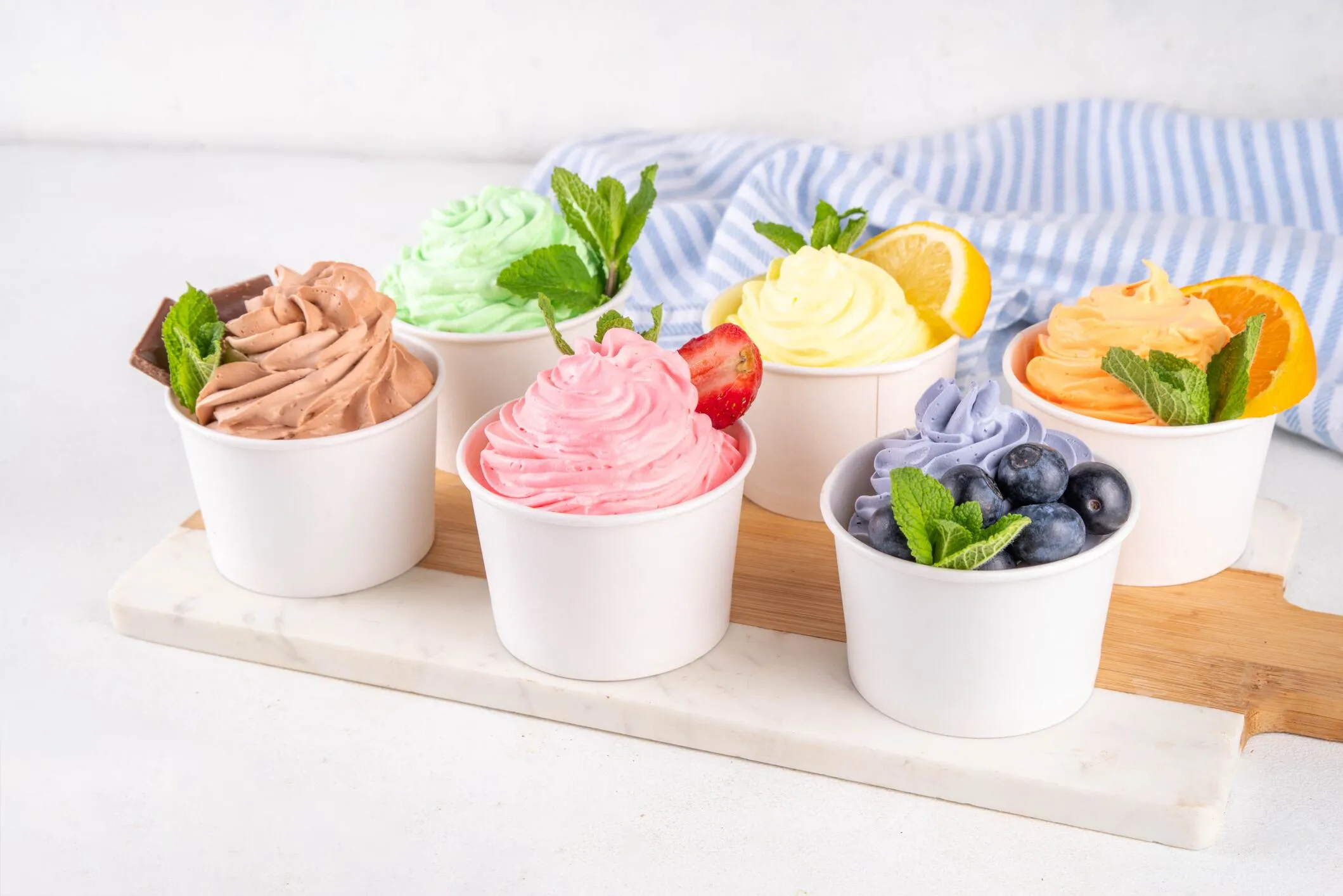
A reformulation rarely stays inside one ingredient line. Reduce sugar and the product may brown differently, feel thinner, or carry flavors in a new way. Replace a synthetic dye at the same time, and the visual target can move again. Product teams often discover that two “simple” swaps are really one connected development project.
The most reliable way through it is to work from the finished product backward. Define the sweetness level, shade, processing conditions, shelf life, and label goals first. Then test ingredients inside the real formula instead of judging them from supplier samples or a beaker on the bench.
Begin With the Product Brief, Not the Ingredient List
A useful brief says more than “less sugar” or “cleaner color.” It should describe the target flavor, serving format, processing temperature, package, expected shelf life, and the shade consumers already recognize. Those details decide which ingredient options are worth testing and which can be ruled out early.
This step also keeps marketing and R&D aligned. A color that looks attractive in a clear cup may not survive an opaque bottle, while a sweetener that tastes fine in water may behave differently beside acids, flavors, proteins, or minerals. The formula has to work as a whole.
Sweetener Changes Can Alter More Than Sweetness
When teams speak with an Allulose Manufacturer, they should discuss processing as well as sweetness. Allulose can behave differently from sucrose in browning, solids contribution, and texture, so the same percentage replacement will not automatically reproduce the original product.
Bench trials should therefore include the complete heat step and storage conditions. In a bakery filling, sauce, or beverage concentrate, the sweetener may influence body or flavor perception even when the sweetness target is correct. Small pilot batches make those secondary effects easier to spot.
Color Has Its Own Chemistry
A plant-derived pigment can be affected by acidity, heat, light, oxygen, and the background color of the food. That means a natural food colorant should be chosen for the actual matrix rather than for its appearance in a supplier swatch.
The same pigment may look bright in an acidic drink and muted in a dairy base. It may also shift during thermal processing or several weeks on the shelf. Developers get better results when shade selection includes those stresses from the beginning instead of treating stability as a final check.
Test Sweetness and Shade Together
Running separate sweetener and color trials can save material early on, but the final rounds should combine both changes. Sweetness influences flavor balance, and flavor balance can change how people perceive color. A pale yellow product may seem more citrus-like, for example, even when the flavor formula has not changed.
Side-by-side samples are useful here. Compare the control, the sweetener-only version, the color-only version, and the combined reformulation. That simple layout helps a team see whether a problem comes from one ingredient or from the interaction between several changes.
Shelf Life Matters More Than Day-One Appearance
A fresh sample can be misleading. Many products spend weeks under retail lighting, inside refrigerated cases, or in warm distribution conditions before a consumer sees them. Color fade, sediment, flavor drift, or unexpected browning may only become obvious after time has passed.
Accelerated testing can help screen options, but real-time storage still has value. Teams should photograph samples under consistent lighting and record both sensory and visual changes. A formulation that stays attractive for the intended shelf life is more useful than one that wins only on the first afternoon.
Scale-Up Can Expose Problems the Lab Did Not
Large tanks heat and cool at different rates, mixing is less intimate, and ingredient addition takes longer. A formula that looked uniform in a two-liter bench batch may show streaking, settling, or shade variation once it moves onto production equipment.
Plan a pilot with the actual order of addition, shear, hold time, and temperature profile as closely as possible. If a color or sweetener needs pre-dispersion, that should become part of the manufacturing procedure rather than an informal lab trick that operators have to rediscover.
Conclusion
Clean-label reformulation works best when sweetness, color, processing, and shelf life are treated as one system. The fastest route is rarely a direct one-for-one substitution; it is a sequence of controlled trials that shows how the finished product behaves.
Product developers can review ingredient and formulation options at foodrgb.com. A clear technical brief, realistic pilot work, and shelf-life checks can reduce rework while keeping the final product close to the sensory and visual experience consumers expect.


