Table of Contents
- Introduction
- Opening Your Pool
- Closing Your Pool
- Common Mistakes to Avoid
- Conclusion
Introduction
Opening and closing your pool may seem straightforward, but both require careful planning and execution to safeguard your pool’s value and minimize unexpected repairs. Understanding the correct procedures ensures a longer pool life and a healthier and more enjoyable swim season for everyone involved. Proper maintenance at these critical moments protects your investment, prevents costly damage, and makes returning to sparkling waters each spring a breeze—especially for homeowners considering pool renovations Jefferson Missouri, in the near future.
The start and end of the swimming season present unique opportunities to check your pool’s system, address developing issues, and set the stage for months of worry-free enjoyment. Safe and thorough pool opening and closing are essential for controlling operating costs, preventing injuries, and ensuring compliance with local safety regulations.
Beyond saving time and money, following a detailed checklist can also create a smoother experience for anyone assisting you, whether family members, friends, or professional pool technicians. By being proactive, you’re setting your pool up for a sparkling, low-stress season ahead.
For additional tips and ongoing pool care guidance, reputable sources like HGTV’s guide on pool openings and closings offer expert recommendations for homeowners nationwide.
Opening Your Pool
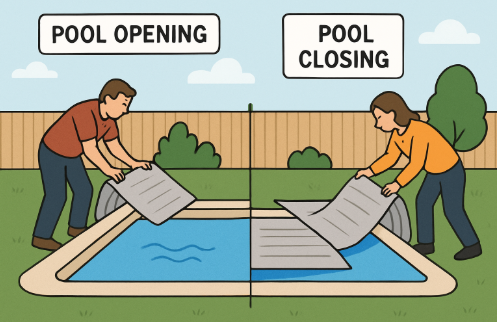
With rising temperatures signaling the approach of swim season, planning your pool opening can set the tone for safe, enjoyable months ahead. Here is a systematic approach to get your pool ready for action:
- Remove and Clean the Pool Cover: Carefully remove the cover, ensuring you do not let accumulated debris or stagnant water into your pool. Thoroughly clean, hose down, and dry the cover before storing it in a cool, dry place to prevent mildew and unwanted odors.
- Inspect and Reinstall Equipment: Examine all accessible components, such as pumps, filters, ladders, handrails, and skimmers. Look for cracks, wear, or leaks. Securely reinstall each piece, addressing any needed repairs or replacements before use.
- Refill and Circulate Water: If the water level was dropped for winterization, refill your pool to the center of the skimmer mouth. Once filled, start your circulation system to allow for at least eight hours of water turnover before initial testing.
- Test and Balance Water Chemistry: Use a reliable at-home testing kit to check pH, alkalinity, and sanitizer levels, such as chlorine. Adjust each component as needed, prioritizing balanced chemistry to protect swimmers’ health and the integrity of your pool equipment.
- Shock the Pool: Use an appropriate shock product, following the manufacturer’s guidelines, to eliminate lingering bacteria, algae spores, or organic contaminants that may have built up during the winter.
Ensuring your pool water starts the season clean and properly balanced can significantly reduce maintenance work later and help keep swimmers safe from common waterborne issues. If you’re new to pool ownership or find troubleshooting water quality challenging, consider referencing the CDC’s residential pool safety recommendations to deepen your understanding of pool health best practices.
Closing Your Pool
A smooth pool closing shields your investment from winter damage and prevents unwelcome surprises next spring. Follow these essential steps for an effective closing:
- Clean the Pool Thoroughly: Remove all debris, brush down walls, and vacuum the bottom to prevent winter staining and algae blooms.
- Balance Water Chemistry: Adjust chemicals to achieve stable, winter-safe levels. Correct pH, alkalinity, and calcium hardness are critical to prevent scale and corrosion over the long, dormant period.
- Shock and Add Algaecide: Apply shock treatment and a winterized algaecide to inhibit new algae growth and ensure clean, clear water at reopening.
- Lower Water Level: Drain water to just below the skimmer line and return it (if required by the local climate) to reduce the risk of freeze damage. Vinyl, fiberglass, and gunite pools may have different recommendations—always consult your manufacturer’s guidelines.
- Drain and Store Equipment: Remove excess water from pumps, filters, heaters, and exposed plumbing. Store removable fixtures such as ladders and skimmer baskets in a dry, secure location until spring.
- Install a Pool Cover: Stretch and secure your winter cover, ensuring it fits tightly and is in good condition. This keeps out leaves, animals, and harsh weather, maintaining water quality and reducing cleanup later.
Common Mistakes to Avoid
To guard against unnecessary stress, repairs, and inconvenience, avoid these frequent errors:
- Neglecting Water Chemistry: Imbalanced water can corrode surfaces and equipment, trigger algae growth, and make next season’s opening far more difficult and expensive.
- Improper Cover Installation: A loose or damaged pool cover lets in debris, pests, and precipitation—creating bigger problems when you reopen.
- Skipping Equipment Inspection: Ignoring pumps, filters, or heaters before storage or use can lead to system failures, leaks, or even safety hazards. Always inspect and repair before use or storage.
Conclusion
Applying these steps methodically will keep your pool in top shape, year after year. Attention to detail during opening and closing translates to less hassle, lower costs, and safer, cleaner water for everyone who enjoys your backyard retreat. Whether you manage your pool solo or rely on a trusted local service, best practices during these key transition times make all the difference in your pool’s health and your own peace of mind.